


August 22nd, 2020: Russet Lake and Musical Bumps
- Elaine
- Aug 22, 2020
- 6 min read
Updated: Sep 26, 2022
Type of hike: Loop (you need to take the gondola back down)
Time (approx): 7 hours 20 minutes
Distance: Around 26km
Hello, and welcome to another one of my Whistler adventures!
The Hike
I want to start off by saying this was one of the most challenging and rewarding hikes I have ever done. I thought I knew what kind of trail it was going to be but turns out I was very wrong (for the most part).
As I hiked more and more, I discovered what kind of trails I prefer - alpines with lots of wildflowers, mountains in the distance, trails that meanders around the side of the mountain (i.e. High Note Trail) etc. Basically anything that keeps me energized and motivated to continue. I thought that was going to be the case with this trail, but for the first 11km, I was wrong.
I started at 6am because AllTrails stated the approximate time was about 10 hours and the last gondola down was at 5pm, and I wanted to give myself some time at the summits. Since it was already late August, the sun does not rise until 6:30am, and coupled with the freezing cold (it was 9 degrees), I felt like a frozen popsicle on two legs.
The trail starts at Whistler Village and goes up the Singing Pass. You actually go into Garibaldi Provincial Park territory about 8km in. The first two hours was basically all forest with nothing much to see. It was very very quiet and I was completely alone. The sun started to peak through around 9am and warmed me up a little bit. I definitely think this forest is way more beautiful than any of the ones in Vancouver for some reasons. Or maybe perhaps I have grown to appreciate forest paths.


I started seeing gorgeous alpine meadows about 9.5km in and had to stop several times to drink in the view and the quietness of the hills.


About 11km in, there is a fork in trail - one leads to Russet Lake and the other to Musical Bumps. I headed to Russet Lake first and took the same trail back to continue to the Musical Bumps. If you could spare another 3km (6km round trip) worth of leg strength, I highly recommend because the lake is stunning.
Whistler was named after marmots that live in the alpines. These little cute creatures would make whistling calls to each other, and I was lucky enough to spot a few of them and even heard them whistle!


The mountain views on the way to the lake are glorious. I never felt so tiny in my entire life.


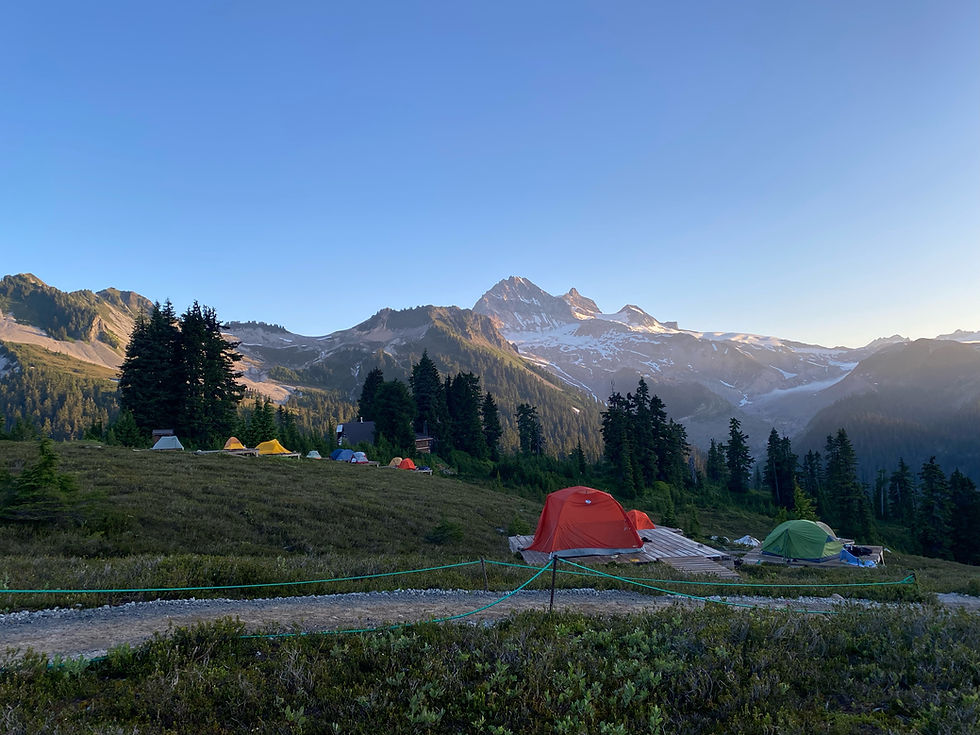
There is a small building next to the lake, which I believe used to be a bed and breakfast or inn. It looked pretty isolated but as I was taking pictures of the lake, I heard a really loud yell coming from it so I assume people now use it as a campsite.
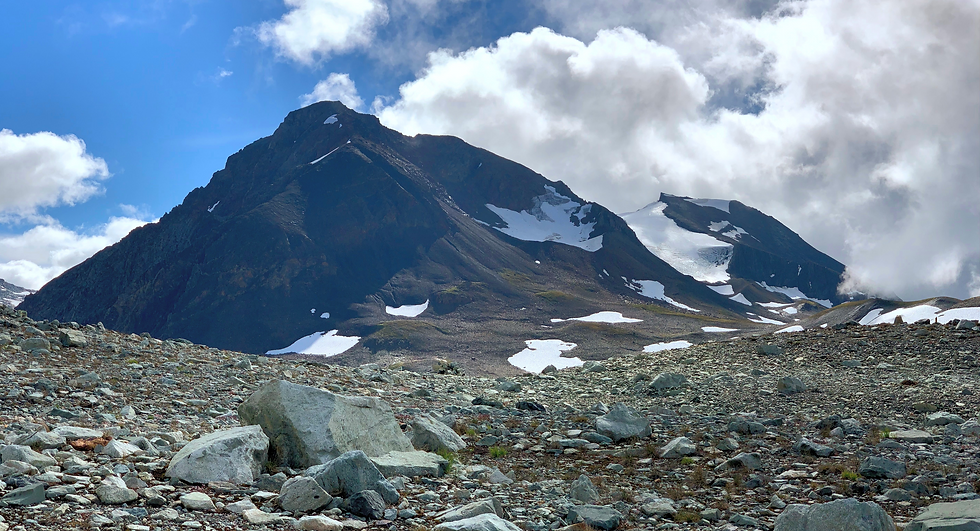
That is Fissile Peak in the background.


After the lake, it was time to cross over the Musical Bumps. Don't forget to look behind you when you are heading towards Oboe Summit - the beauty of the mountain tops are actually at the back.


There was no sign that stated you reached Oboe Summit, so I found out through the trail map. At that point I was 1956m above ground and all around me I saw prominent mountain tops that seemed to almost flow into one another, dotted with white caps here and there. The sense of wonder I felt was incomparable to any other experience I have ever had.

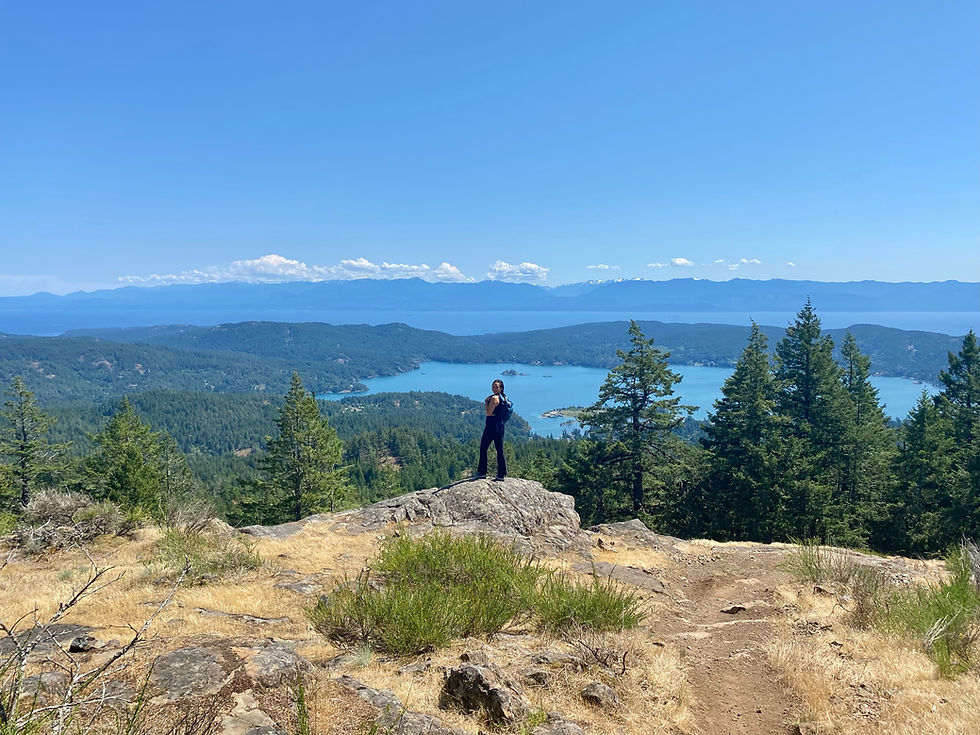
I have been to the Flute Summit the week before, but this time I had time to actually soak in my surroundings and explore (but I had to keep it short because the wind was picking up and it was getting bitterly cold). For a few minutes, I felt like I had the whole mountain to myself because there was no one else and it was completely silent except for the wind. Like I described in my High Note Trail post - I felt inconsequential in the best possible way. Nature has a way of making one feel that way. The alpines and mountains stretched out as far as the eye can see, and seem to go on forever. It is really hard to describe how I felt in that moment without turning it into a soap opera, and pictures really do not do it any justice, so I guess what I am saying is - get out there and see for yourself.
I want to show this video even though the clouds covered up all the mountain views, because I think there is something very mystical (some sort of uncertainty) about standing so high up and looking down at a blanket of white clouds beneath your feet. It almost feels like you are stepping into the unknown.
You also get to see the Cheakamus Lake from the Flute Summit, but unfortunately once again, the clouds covered it on this day. You can still see a bit of it though:


The Flute Summit then connects to the second half of High Note Trail, so it was familiar territory from that point. You can choose to complete the trail on Harmony Lake Loop (the easy one) or through Harmony Meadows, which takes about 0.4km farther and 15 minutes longer depending how fast you walk. I personally love taking Harmony Meadows because you get to climb up higher and see the lake from a better vantage point.
You will need to take the gondola back down to the village, and the last one on the weekdays are 5pm while weekends are 5:30pm.
What I brought:
Ooh, this is a fun one. At this point I have hiked quite a bit (and was doing them back to back as well), and did all of them alone except for St. Mark's Summit. Through trial and error, I discovered the list of essentials and items that can be useful for hiking alone.
Essentials:
Bear spray. When hiking alone in bear territory, this is crucial. There are a few good tutorials on Youtube showing how to use it.
Bear bell. This one is a bit controversial and really boils down to personal preference. Some studies say bears are actually attracted to the sound, while others state the noise warns the bears to stay away. I bring it to give myself a sense of security, and also as something to cut through the silence when it becomes too much. However, I can also see why some people would find it annoying if all they hear is the bell for hours on end. Luckily, the bell comes with a magnetic strip that can stop the ringing whenever you want.
Bug spray. The mosquitos are truly relentless, as well as the flies, bees and wasps near wildflowers. I went through one third of the bottle.
TP. There are no outhouses on this trail, so this is essential in taking care of business.
Hydration pack. I realized by now that if a hike is longer than 6 hours, chances are 2.5L of water is not enough. If you are attempting a long hike, a hydration pack works way better than bottled water.
Small ziploc bags to store garbage. I switched from small garbage bags to ziploc bags because I can seal it more securely in case trash falls out mid-hike. Also keeps the smell locked in.
Lots of snacks.
Lip balm. I found myself reapplying it about 3 times an hour. At such high elevation, your lips get dry and chapped easily.
Portable charger. Honestly, better safe than sorry.
Useful extras:
Wet wipes. I really hate the feeling of dirty hands so these are very handy.
Hand warmers. August is when the weather starts to turn chilly, especially after huge rainstorms like this weekend.
Coconut water or watermelon juice. They replenish lost electrolytes and sodium very quickly.
Overall thought:
I am already making plans next year to do this hike more than once. Aside from the bitter cold and wind, this whole trail from start to finish was sensational. Even the Singing Pass was quite enjoyable, although I will say having a buddy would have made it more fun. Then again, I truly enjoy hiking alone. The trail was challenging enough to keep things interesting, and the views at the top of the summits made everything worthwhile.


Comments